
Where slot games are created: Studios and developers
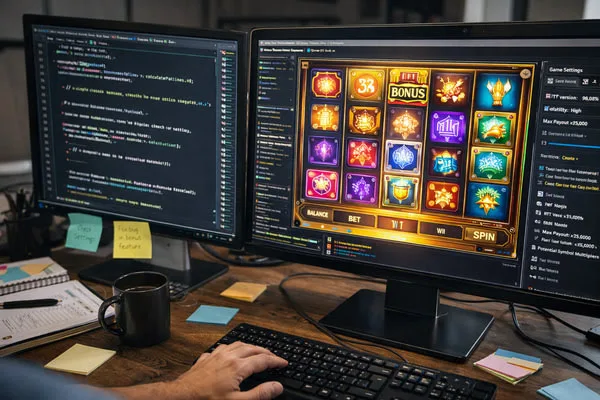
Many players try slot games online without thinking about how much work is behind each title. A modern slot is not just reels and symbols. It is a full product made by a team. Developers plan the idea, build the maths, design the look, write the code, and test every detail.
This topic matters because the studio shapes the whole experience. The same theme can feel very different in two games. One may have smooth gameplay and clear rules, while another may feel slow or confusing. If you know how slots are made, you can understand why games behave the way they do and how to choose them more wisely.
How Slot Games Are Made: The Full Development Process
Creating a slot is a step-by-step process. Most studios follow a similar path, even if their style is different. The work often starts with a simple concept. After that, the team builds the math model, the visuals, and the logic of the game. When the slot is ready, it must be tested and often certified before release.
Below are the key stages that shape the final product. Each stage is important. If one part is weak, the whole game can suffer, even if the other parts are strong.
Concept and Theme: Where the Idea Starts
Every slot begins with an idea. The studio chooses a theme, mood, and style. This can be based on popular trends, classic stories, or fresh concepts. The team also decides what type of game they want to build. For example, they may choose a simple slot with clear rules or a more complex game with many features.
At this stage, the studio also plans the main features. They may decide if the slot should include free spins, bonus rounds, multipliers, or other mechanics. This is where the first version of the game vision is created. Later, the design and maths teams will turn that vision into real rules and numbers.
The Maths Model: RTP, Volatility, and Game Behaviour
The maths model is the core of a slot. It defines how the game pays, how often wins appear, and what kind of experience the player gets. This is why two online slots can feel very different, even if they look similar on the surface.
The team sets key parameters such as RTP (return to player) and volatility. RTP shows the long-term payout percentage. Volatility shows how wins are spread. A high-volatility game may pay less often, but the wins can be bigger. A low-volatility game may pay more often, but usually with smaller results. These choices influence the full rhythm of the slot and how players perceive it.
Visual Design: Graphics, Symbols, and Animation
Design is not only about beauty. It is also about clarity. The art team creates symbols, backgrounds, and user interface elements. Good design helps players understand what is happening. The best studios keep the screen readable, even when many effects appear.
Animation is also part of the design process. Animators build smooth transitions and win effects. This can make a slot feel more exciting, but it must not become distracting. The goal is to support the gameplay, not to hide the rules or confuse the player.
Programming and Game Engine: How a Slot Works Inside
After the concept, maths, and design are prepared, developers start building the slot. This is the technical stage where the game becomes playable. The team writes the code for the reels, paylines or ways system, bonus rounds, and special symbols. They also connect all visual effects to real events in the game.
A key element here is the RNG (random number generator). RNG is the system that produces random outcomes for each spin. In a licensed game, RNG must work correctly and fairly. The developers do not “pick” results by hand. Instead, they build rules that define how outcomes are selected and how the wins are calculated.
Studios also focus on performance. A slot should load fast and work smoothly on different devices. Many players use mobile browsers today, so the game must be stable on small screens too. If a slot has heavy graphics but poor optimisation, it can feel slow and annoying. This is why good coding matters as much as good art.
Testing and Certification: How Fairness Is Checked
Before a slot is released, it goes through many tests. The goal is to find bugs, balance issues, and technical risks. QA specialists (testers) check how the game works in real conditions. They test different devices, browsers, and screen sizes. They also test bonus mechanics to make sure the rules match the design document.
Math testing is also important. The team runs simulations to confirm that RTP and volatility match the planned values. If the game pays too much or too little, the model may need changes. This stage helps studios avoid problems before the slot reaches real players.
For many markets, certification is required. Independent testing labs review the slot and check key systems, including RNG. They also verify that the game follows technical and compliance standards. This is one of the reasons why licensed online slot content is seen as more trustworthy than unknown copies. A certified slot has passed external checks, not only internal ones.
Who Creates Slot Games: Roles Inside a Studio
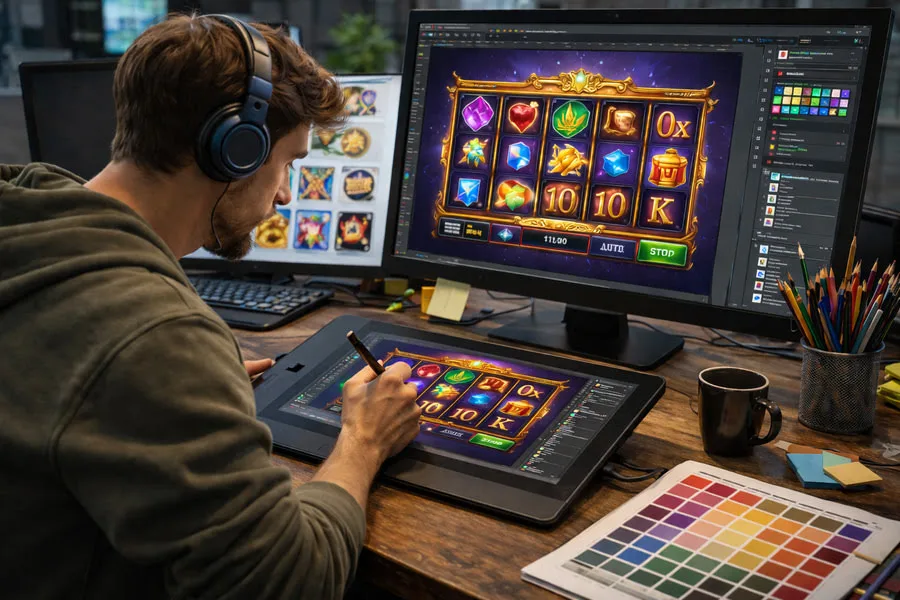
A slot is never made by one person. Even a simple slot online project needs different specialists. Each role covers a specific part of the process. Some people work on ideas and features, while others focus on numbers, art, or technical stability. In strong teams, everyone understands how their work affects the final player experience.
- Game Designer – plans the game flow, features, and user experience
- Mathematician – builds the RTP, volatility, and payout structure
- Developer – writes the code and connects all game systems
- 2D/3D Artist – creates symbols, backgrounds, and visual style
- Animator – makes movement, win effects, and transitions
- Sound Designer – creates music and effects that fit the theme
- QA / Compliance Specialist – tests the slot and prepares it for certification
These roles work together all the time. For example, the maths model affects how often bonus rounds appear. That impacts how long players stay in the game and how the pacing feels. The design must also match the maths. If a slot shows frequent big win animations but the real wins are small, players may feel misled. When a studio understands this balance, the slot game feels more honest and more enjoyable.
Types of Slot Game Studios: Who Builds These Games
Not all studios work in the same way. Some teams are huge and release many titles every year. Others are smaller and focus on a few projects with a clear style. There are also companies that create games for other brands, where the final product may look like it belongs to a different name. Understanding these differences helps you see why one slot game feels polished, while another feels basic or inconsistent.
Below are the most common types of studios in the iGaming industry. Each type has its own strengths and limits, and this often affects design quality, technical performance, and the level of innovation.
Large International Studios
Large studios usually have many teams working at the same time. They often release a steady stream of new games and support them after launch. These companies tend to have strong internal standards. Their slots machines are usually well-tested and stable across devices. They also have dedicated compliance and legal teams, which helps them work in regulated markets.
Another common feature is consistency. Large studios often follow a recognisable style in visuals, bonus design, and interface. This can be a positive thing for players who prefer familiar mechanics. At the same time, big teams may take fewer creative risks. They often focus on ideas that are proven to work, especially if they release many titles each year.
Mid-Sized Developers
Mid-sized studios often balance quality with flexibility. They may not release as many games as large companies, but they can still build strong products. These teams are usually big enough to cover all key roles in-house, but small enough to change direction quickly when needed.
Many mid-sized studios try new mechanics and themes more often. They may also create games for specific player groups or market needs. In many cases, you can notice more personality in their games, because decisions are made by smaller teams with a clear creative vision.
New Studios and Indie Teams
New studios and small teams often enter the market with fresh ideas. They can be more experimental with visuals, risk levels, or bonus logic. Some of them create unique mechanics that later become popular. This is one reason why the online slots market keeps changing and growing.
However, small teams also face limits. They may not have the same testing resources as bigger studios. Their games can have weaker optimisation or smaller content depth. This does not mean the game is bad, but it means players should pay more attention to the studio’s reputation and whether the slot has proper certification.
White Label and Outsourced Development
White label development happens when a company creates a slot for another brand or sells the same game under different names. Sometimes a casino brand wants its own exclusive games but does not have an internal team. In that case, it hires a developer or buys ready-made content.
This model is common in the market, but it can create confusion. The game may look official, but the real developer is not always clear. It also makes it harder for players to judge quality by brand name alone. When you play a slot online, it is useful to check who built the game, not only which site offers it. Clear information about the developer and licensing is a good sign of transparency.
How Slot Games Differ Between Studios
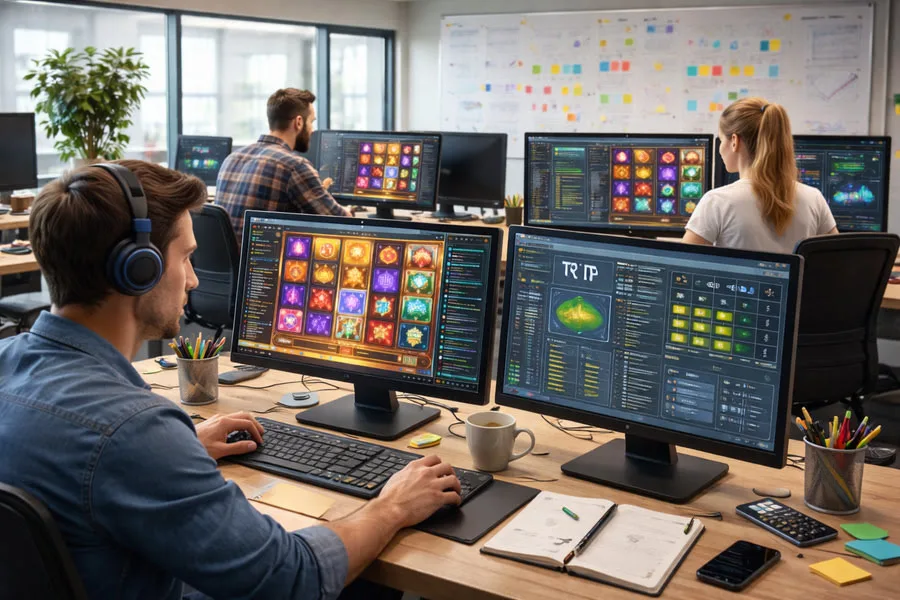
Studios often use different creative and technical approaches. Even if two games use the same theme, they may feel completely different in speed, win rhythm, and bonus structure. These differences come from design choices and from the maths model behind the game. That is why some players prefer specific developers and can recognise their style after a few spins.
It also helps to understand that “quality” is not only about graphics. A game can look impressive but feel frustrating if the pacing is unclear or if features are hard to understand. On the other hand, a simple slot game can be enjoyable if the gameplay is smooth and the rules are easy to follow.
- Bonus mechanics and feature style (free spins, multipliers, extra reels, special symbols)
- Win rhythm and game pacing (how often something happens on screen)
- Math structure (how wins are spread, how often bonuses trigger)
- Visual approach and interface clarity (how easy it is to follow the action)
- Sound design and feedback (how wins and features are communicated)
- Mobile optimisation and loading speed (how smooth the slot works on phones)
These points may sound technical, but they are easy to notice in real play. For example, some studios build games where features trigger often but pay modestly. Others focus on rare but high-impact events. Some keep interfaces minimal, while others fill the screen with effects. If you learn to spot these patterns, you can choose an online slot that fits your style better and avoid games that feel uncomfortable for you.
Well-Known Slot Studios: Examples of Major Developers
The slot industry has hundreds of developers. Some focus on a small number of releases, while others publish new content very often. For NolimitWay readers, it is useful to know a few well-known names, because these studios are common in licensed casinos and often follow clear production standards.
The list below is not a “best of” ranking. It is simply a quick overview of studios that players often meet when browsing slot games online. Each developer has its own style, typical mechanics, and visual approach.
- NetEnt – known for clean design, simple mechanics, and strong brand recognition
- Microgaming – one of the oldest suppliers, with a large library and classic slot formats
- Play’n GO – often focused on mobile-friendly design and smooth gameplay flow
- Pragmatic Play – releases many titles, usually with familiar bonus formats and bright visuals
- Yggdrasil – linked with creative mechanics and modern feature ideas
- Red Tiger – often associated with fast-paced games and frequent feature triggers
- Push Gaming – known for detailed visuals and a strong focus on bonus rounds
- Nolimit City – recognised for bold themes and high-intensity feature design
If you want to explore online slots in a more structured way, you can start by trying a few games from different studios. After a while, you will notice which developers match your preferred game pace, bonus style, and risk level. This approach is often more effective than choosing games only by theme or cover art.
Licensing and Quality Control: Who Regulates Slot Games
For players, fairness and safety are key topics. A well-designed slot still needs proper control. That is why licensed games must follow strict rules. Regulators and testing labs exist to make sure that casino games meet technical requirements and that random outcomes are truly random.
Without this control, it becomes easier for low-quality or unverified games to appear. These products may look similar to licensed games, but they can have unclear rules and unknown systems. This is why certified content is usually seen as more reliable in the long term.
What Is Checked During Certification (RNG, RTP, Security)
Certification usually focuses on core systems. One of the main checks is the RNG. Testing labs review how the random generator works and whether it follows accepted standards. They also check if results cannot be predicted or influenced. This is a basic requirement for a fair online slot environment.
RTP is also reviewed. Labs confirm that the slot pays out according to the declared settings over a very large number of simulated spins. They may also check that rules and paytables match the real results. In addition, security checks can cover data integrity, stability, and safe communication between the game and the server. These steps help ensure that the game behaves as it should and that the player experience is consistent.
How to Identify the Developer of a Slot
Many players do not look for developer information, but it is usually easy to find. If you want to understand where a game comes from, it helps to check the provider name before you start playing. This is also useful when you want to compare different slot styles or avoid unknown content.
When you build your own favourites list, developer names become a practical tool. Over time, you may notice that certain studios match your preferences more often than others. This can save time and improve your overall game selection process.
Where to Find the Studio Name in the Game Interface
Most games show the developer name inside the game window. It can appear on the loading screen, in the help section, or in the “info” menu. Some games also display it near the paytable, along with RTP and rule details. If the casino provides a game catalogue, the provider name is often shown there too.
If this information is missing or unclear, it is a sign to be cautious. Transparent studios and operators usually show the provider clearly, because it is part of normal industry practice.
Why the Developer Matters More Than the Game Title
A catchy name does not tell you how a game behaves. The developer does. Different studios use different maths systems, feature styles, and pacing. This affects how often you see bonuses, how wins feel, and how predictable the game flow is. For many players, the studio is the best clue for what kind of experience to expect from a slot online session.
This is also why developer research can be useful before trying something new. When you know a studio’s typical style, it becomes easier to choose games that fit your preferences and avoid those that do not match your expectations.
FAQ: Common Questions About Slot Studios and Development
Who sets the RTP: the casino or the developer?
In most cases, RTP is set by the developer as part of the maths model. The studio builds the payout structure and defines how the game behaves over the long term. Some games can be released in different RTP versions, but this still depends on what the developer provides. If a casino offers multiple RTP options, it usually selects one from the available versions, not creates its own maths from scratch.
Can a slot be “rigged” or adjusted after release?
In regulated markets, licensed games are tested and certified, and the RNG must follow strict standards. This makes it very hard for a studio or an operator to change results in secret without breaking compliance rules. That said, the safest approach is to choose online slot titles from recognised developers and play them in licensed casinos, where certification and audits are part of normal practice.
What is the real difference between a licensed slot and an unverified copy?
A licensed slot has clear rules, certified RNG, and confirmed RTP settings. It is tested by the studio and often reviewed by independent labs. An unverified copy may look similar, but it can have unknown maths, unclear terms, and no external checks. This is one reason why many players prefer slot games online that come from well-known providers with visible certification history.
Why can the same game look different in different casinos?
The core game logic is the same, but small differences can still appear. A casino may show different language packs, interface settings, or local compliance messages. In some cases, the RTP version may also differ if the developer provides multiple options. This is why it is useful to check the game info screen and paytable, especially if you want to understand how the slot online session is likely to feel.
How can I choose a slot that matches my style?
Start with basic parameters like volatility and RTP. If you prefer frequent action, you may enjoy lower volatility games. If you like rare but bigger moments, higher volatility may fit you better. Also pay attention to the developer, because each studio has its own approach to bonus design and pacing. Over time, you will learn which slot game patterns you enjoy most and which studios create the experience you prefer.