
Keno for Beginners: Key Points to Remember

Keno attracts many newcomers thanks to its balance of simplicity and strategic freedom, making it an accessible choice for people exploring number-based gambling for the first time. This guide provides essential knowledge for understanding the game, forming realistic expectations, and recognising the mechanics behind every draw. With a focus on clear explanations and practical insights, beginners can approach online Keno with confidence and a well-structured understanding of what defines this long-standing lottery-style experience.
Understanding How Keno Works
Keno is built on selecting several numbers from a fixed range, followed by a random draw that determines which values become winning ones. Although the structure appears straightforward, it includes several underlying principles that shape how the game functions. Anyone preparing to play Keno should understand that each draw is completely independent, meaning previous outcomes do not influence future probabilities.
Different versions of the game vary in presentation and pacing, yet the mathematical mechanics remain unchanged. Some digital variations imitate the feel of traditional lottery equipment, reflecting the experience of using a classic Keno machine. Regardless of the format, every round relies on random number generation, ensuring equal chances for every combination.
Beginners often expect patterns or sequences to appear over time, but the game is designed to avoid any form of predictability. Each outcome is isolated, and past results cannot be used as indicators for future selections. Understanding this feature prevents players from relying on misleading strategies and encourages them to develop a more grounded approach.
The introduction of digital formats, including video Keno, has made the game more accessible for those who want to explore it at their own pace. Whether players prefer slower sessions or faster rounds, the core mechanics remain consistent across versions. This stability allows newcomers to build familiarity with the process and gradually form their own approach to choosing numbers and managing each session.
Hot and Cold Numbers
The concepts of hot and cold numbers refer to values that appear frequently or rarely within recent draws. These observations may seem important at first glance, but they do not influence future outcomes in any measurable way. The structure of live Keno ensures that each number always holds the same probability, regardless of its past appearance.
Despite having no mathematical impact, the idea of tracking recent results appeals to players because it creates a sense of order within a random process. Even when a value appears repeatedly, its future chances remain unchanged due to the independence of each draw. Recognising this helps beginners avoid overestimating the relevance of previous outcomes.
Some individuals still prefer reviewing hot and cold values as part of their personal routine, as it offers structure and consistency during gameplay. This practice can be safe as long as players remember that these categories do not provide predictive value in live Keno games. Used responsibly, they simply add an element of personal preference to the decision-making process.
Lucky Numbers
Lucky numbers are a common part of the player experience, especially among those who enjoy selecting values that hold personal meaning. In the Keno online game environment, individuals often use birthdays, memorable dates, or culturally symbolic figures to build their combinations. These selections do not affect the probabilities, yet they create emotional connection and make each round feel more personalised.
Choosing personally meaningful values can help beginners maintain consistency, which is useful for avoiding impulsive changes or constant experimentation. While lucky numbers do not increase the likelihood of matching the draw, they provide a familiar structure that contributes to a calmer and more controlled playstyle.
A positive emotional state can support better decisions during a session, and lucky numbers often play a role in this. Even though they do not influence outcomes, they allow players to approach Keno play with comfort and confidence. This contributes to a balanced experience where enjoyment and responsibility remain prioritised.
Principles of Choosing Numbers
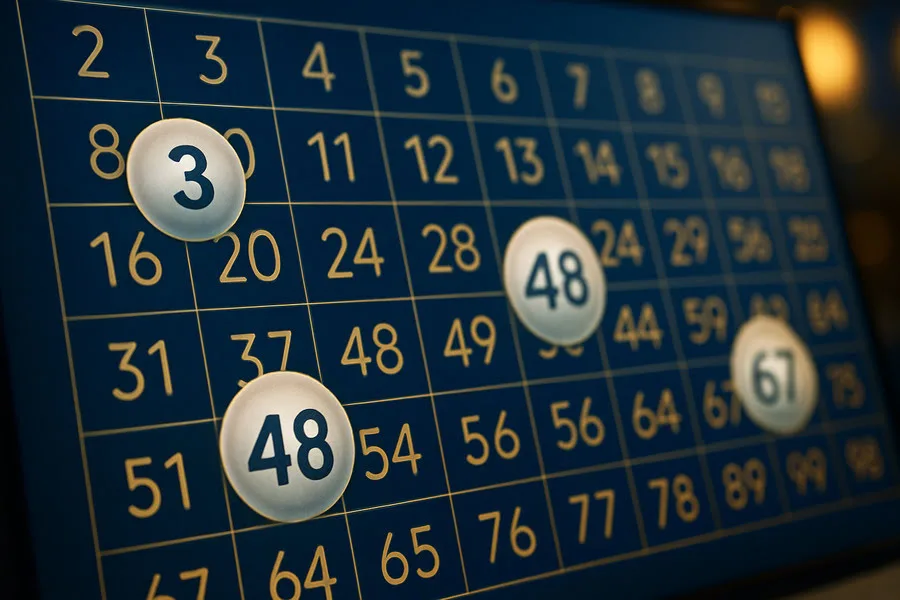
Selecting numbers in Keno can follow different approaches, and beginners often explore several methods before settling on a style that feels comfortable. Some rely on familiar patterns or choose values that create visual symmetry, while others select entirely random sets for each round. Understanding that no selection method can influence the mathematical outcome allows players to build their combinations based on preference rather than expectation.
A consistent approach can help maintain better control over the session. Whether a player prefers repeating the same group of values or switching combinations slowly over time, stability encourages clearer decision-making. This mindset reduces the likelihood of impulsive choices made after observing recent results, which do not hold predictive power in any Keno online game format.
Another method involves balancing the total quantity of selected numbers. Choosing too many values may increase the excitement of the draw but typically lowers the return rate. On the other hand, selecting too few may limit winning possibilities. Beginners often experiment with different group sizes until they find a comfortable balance that offers enjoyable gameplay without unrealistic expectations.
Personal routines can also influence how individuals make their selections. Some players prefer methodical strategies, while others select randomly to introduce variability. Regardless of the approach, the key is to recognise that every draw is independent, ensuring that past outcomes do not increase or decrease the likelihood of future results.
What Influences Win Frequency and House Edge
The frequency of wins in Keno depends on probability distribution and the number of selected values. With more numbers chosen, it becomes harder to match a meaningful portion of them, even though occasional small wins may occur. This structure maintains the balance between risk and reward that defines the nature of the game and shapes the expectations of newcomers.
The house edge remains a fundamental part of the experience, influenced by payout tables and the overall design of the draw. Each version of the game adjusts rewards based on how many selected numbers are matched, which ensures long-term fairness for the operator. These mechanics apply uniformly, whether individuals prefer rapid digital formats or traditional play through live Keno.
Another factor affecting the experience is the pace at which rounds occur. Faster versions may create the impression of more frequent wins, while slower formats allow participants to analyse results calmly. This change in perception does not alter mathematical outcomes but can influence how players interpret their sessions over time, especially when they are new to the process.
It is also important to understand that external influences cannot affect the randomness of any online variation. Systems, visual design, or repeat patterns observed in the past do not create advantages. Every outcome remains independent, and probability remains unchanged regardless of draw speed, sequence, or previous results in live Keno games or any digital adaptation.
How to Choose Your Keno Style
Each person eventually develops a preferred style of participating in Keno, whether they enjoy frequent small rounds or slower, more deliberate sessions. Some individuals appreciate the structured nature of selecting the same values every time, while others enjoy experimenting with new combinations as they become more familiar with different formats.
Those who prefer a relaxed experience often choose steady pacing and consistent number sets, allowing them to observe results without pressure. This approach works well in formats such as online Keno, where players can adjust round speed and enjoy calm participation. Steady routines support responsible habits and help maintain long-term enjoyment.
Players seeking more dynamic sessions sometimes enjoy changing selections regularly or exploring varied draw speeds. These individuals may appreciate the diversity offered by live Keno games or other fast-paced modes that provide continuous activity. No matter the chosen style, the most important factor is maintaining awareness of probability and keeping expectations grounded.
Final Thoughts
Keno offers an engaging experience built on simple mechanics and flexible personal strategies. Whether individuals participate in a digital draw or choose to explore a traditional format, understanding the independence of each round helps create a grounded and confident approach. The combination of randomness and personal preference allows players to shape their sessions in ways that feel meaningful, enjoyable, and well-balanced.
Beginners who take time to understand probability, paytable structure, and selection methods can develop a steady and responsible playstyle over time. With clear expectations and an appreciation of the game’s rhythm, each session becomes an opportunity to learn and enjoy the process, regardless of whether someone prefers fast draws, methodical rounds, or personalised choices rooted in favourite numbers.